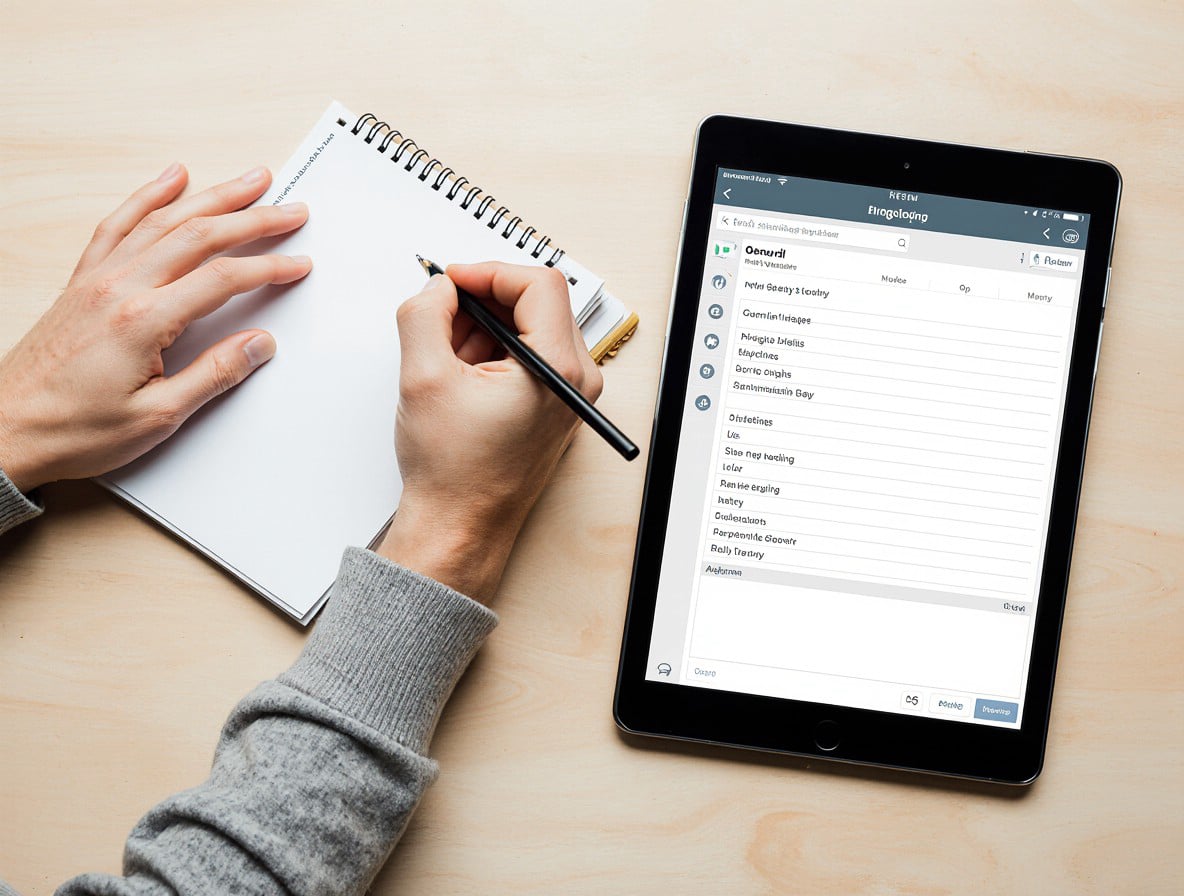
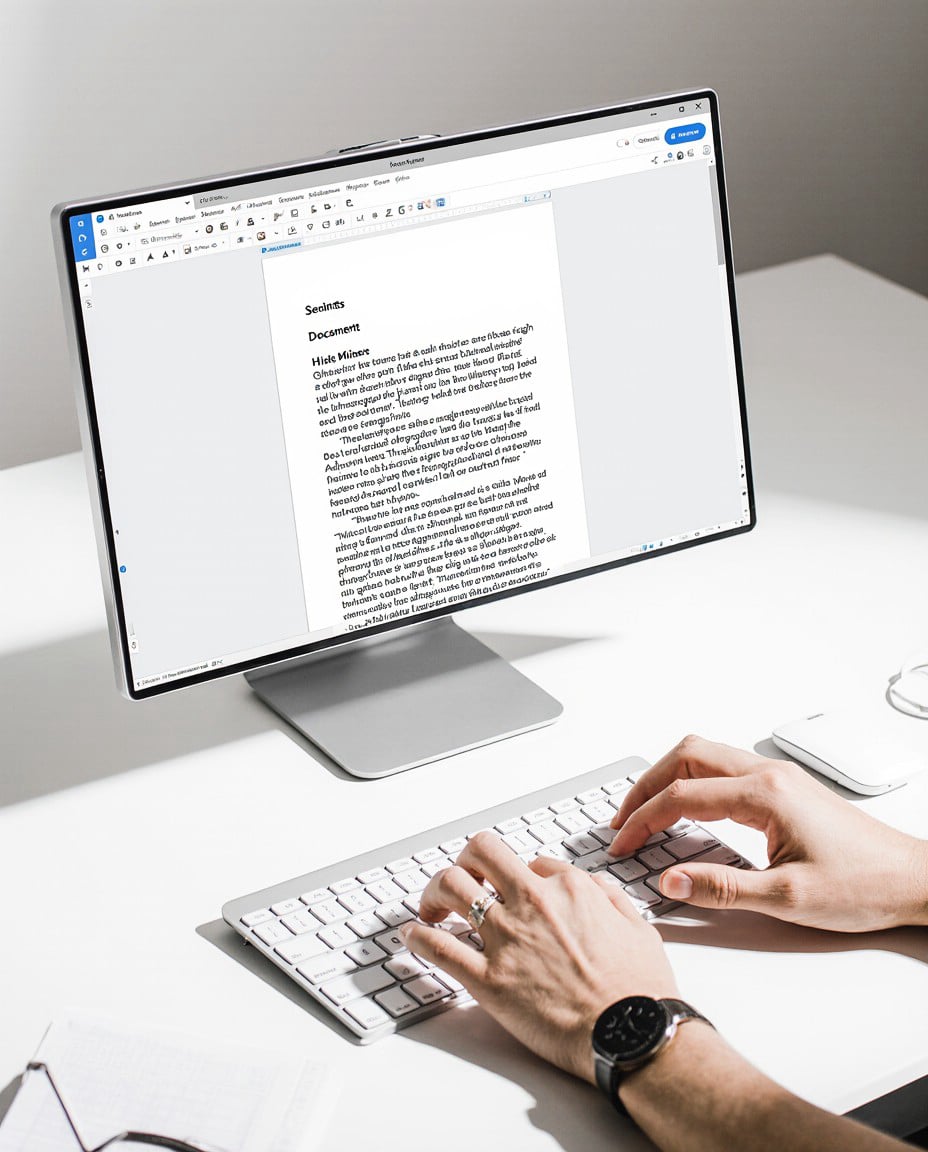
Manual, digital, and hybrid formats presented without priority.

Three General Planning Approaches

Planning tools vary by form and function. This section presents three commonly used approaches — manual, digital, and hybrid — with general, balanced descriptions. Each method reflects a different way of organizing time, tasks, and records. There are no assessments or comparisons regarding effectiveness. Instead, PlanLeaf offers a neutral view of how these formats are structured and where they are typically found.
PlanLeaf

Manual Tools

Manual planning involves writing on physical surfaces using pens, pencils, or markers. Formats may include daily planners, undated journals, or printed calendars. These tools do not require electricity or internet access. Users determine their structure, spacing, and rhythm without automated prompts. Manual planning can suit quiet environments or tasks that benefit from tangible layout control.

PlanLeaf

Common Formats

Typical tools for manual planning include notebooks, bullet journals, sticky notes, and wall calendars. These materials can vary in design — lined, gridded, or blank — and are often selected for personal fit. Some users choose pre-structured templates, while others prefer free-form layouts. All entries are recorded by hand. These formats are used in a variety of routines, including academic, domestic, and non-digital work settings.

Characteristics of Use

Paper-based formats do not feature reminders, search functions, or synchronization with other tools. Updates require physical rewriting or annotation. Some individuals choose manual planning for its focused environment, while others prefer its visual clarity and layout freedom. Its usage is determined by personal preferences, time availability, and situational context. There are no digital elements unless the user chooses to digitize entries manually.

PlanLeaf

Technology-Based Planning Interfaces

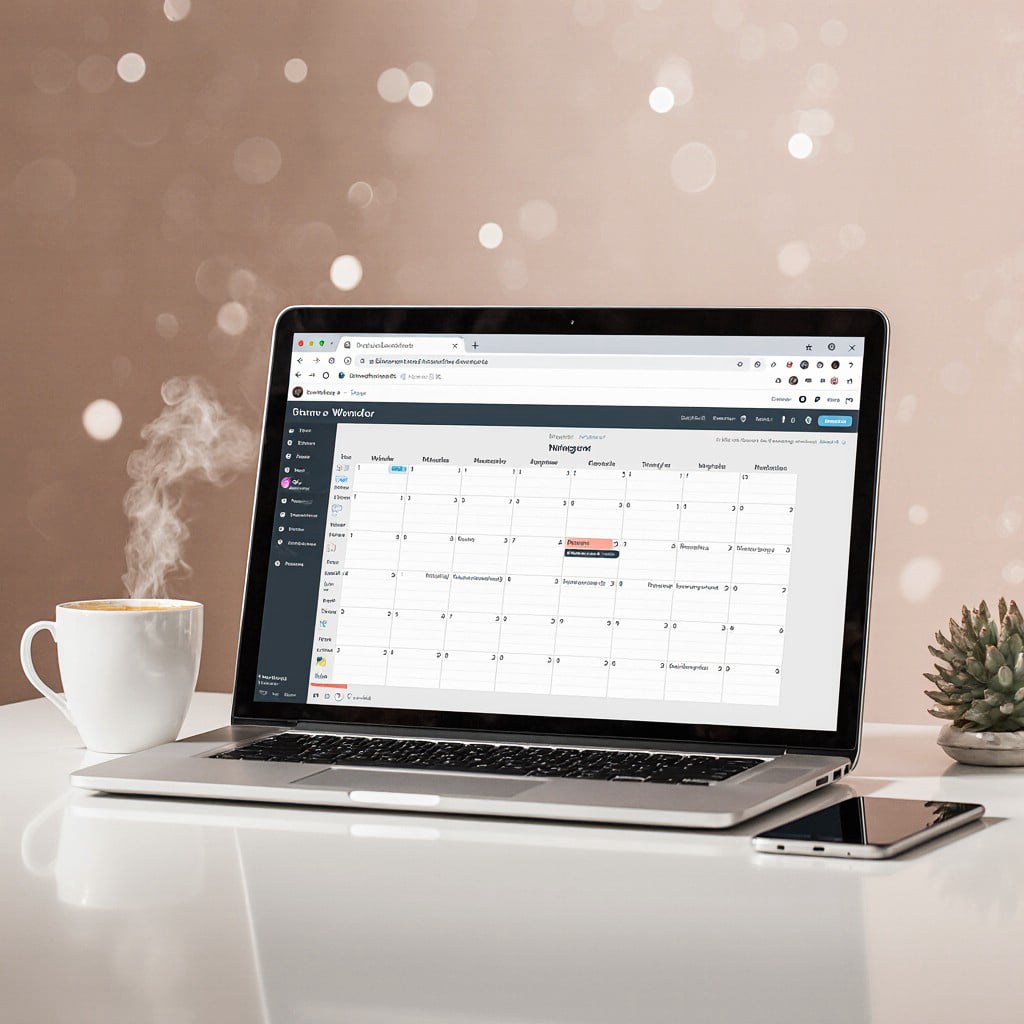
Digital planning relies on apps, web platforms, or device-specific software. These tools may feature built-in calendars, reminders, or task systems. Entries are typically made through typed input and can be sorted or categorized. Access is device-dependent, and some systems allow for cloud-based updates. These formats are frequently used in both individual and team environments.

PlanLeaf

Combining Manual and Digital Elements

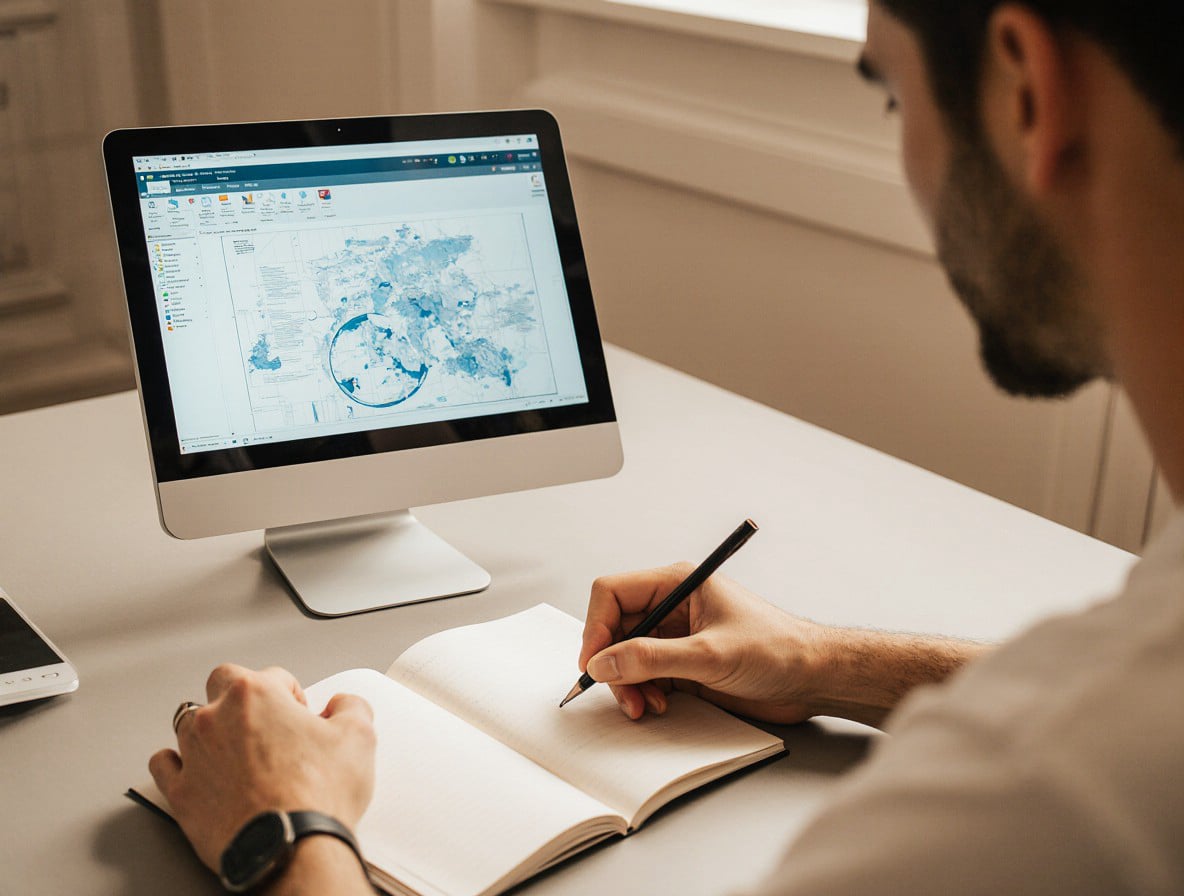
Hybrid planning combines features of both manual and digital formats. A person may use a handwritten notebook for long-term ideas while managing deadlines in a calendar app. This format is adaptable and changes with context. There is no fixed model or standard layout. Hybrid methods reflect varied routines and evolve based on user needs.

© Copyright 2025 PlanLeaf - All Rights Reserved